














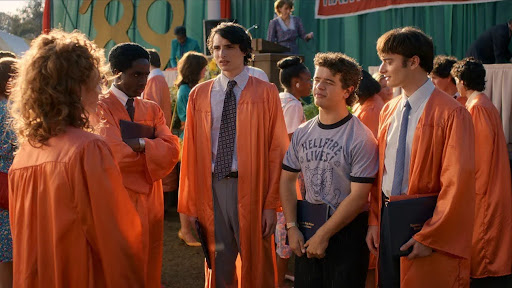


The hit Netflix series Stranger Things skyrocketed back in 2016. Since then, the show has become the most well known TV series in Netflix history. As of 2025, the fifth and final season was released. However, this wasn’t enough for fans. After the final episode, with a running time of 2 hours and 8 minutes, fans were not satisfied. The directors, the Duffer brothers, had been working on Stranger Things for 9 years, becoming idolized by fans, critics, and even other directors for their groundbreaking concepts and new approaches to beloved games like Dungeons and Dragons. However, fans became upset, and their disappointment drove millions to believe in a theory called Conformity Gate.
The Conformity Gate theory was created by fans following their beloved show’s finale. Many believed the show’s ending was so poorly made, and they didn’t even believe it. Millions took to social media to first complain, then compile evidence. Fans began to form the idea that the poor ending was fake and the real finale was on its way. Going as far as to say that the ending was what the villain, Vecna, wanted the characters and even the audience to see. The name Conformity Gate originated from the season 4 character, Eddie Munson, and his opening speech about conforming to who society wants you to be and your role in it. While others got on board, non-fans saw this as a way for fans to cope with the poor ending to a special show to them. Fans began to be compared to Joyce in the first season when no one believed she was talking to her son through the lights, relating their theory to insanity. In the end, fans concluded that the 9th and final episode was coming out on January 7th to Netflix.
However, there was no 9th episode, and the theory quickly died down. But why is this important? This theory is important because the media showed more creativity than professional directors. This theory shows that when there is passion for a piece of art or media, there is no limit to the creativity that stems from that fanbase and the power of the people.